THE LIGHTING WITH LASER PORTRAIT SET UP
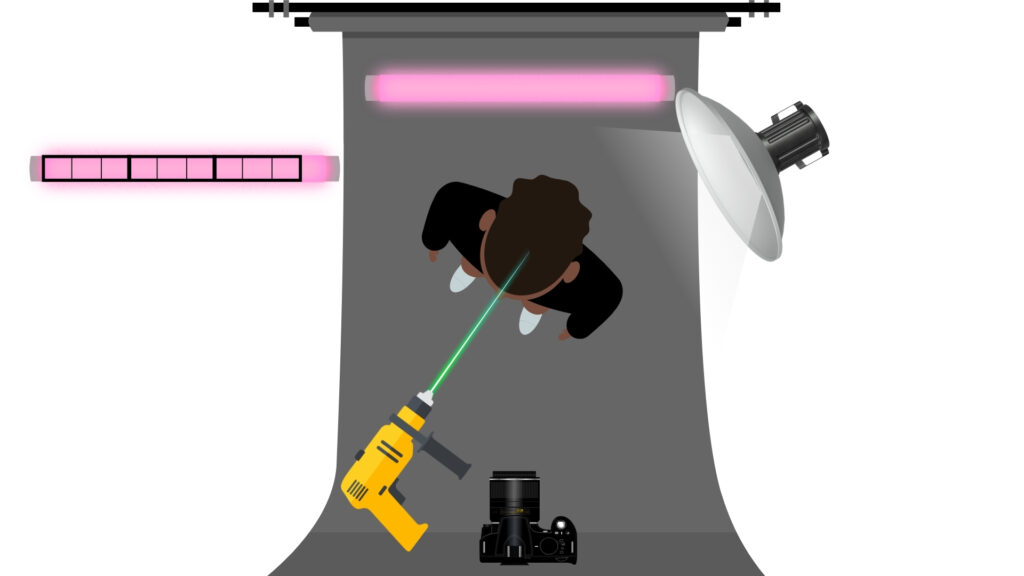
EQUIPMENT USED (WITH LINKS)
Camera & Lens:
Lights:
– Used as the rim light
Godox Trigger XPro-C (make sure to select the correct one for your camera)
– This is used to trigger the flash when the shutter is released
Softbox:
– The softbox used for the key light
– Used to mount bowens style modifiers on to the V1
GODOX TL60W (RGB TUBE LIGHTS)
Stands:
Accessories:
– A cheaper one will do. This is all I had available.
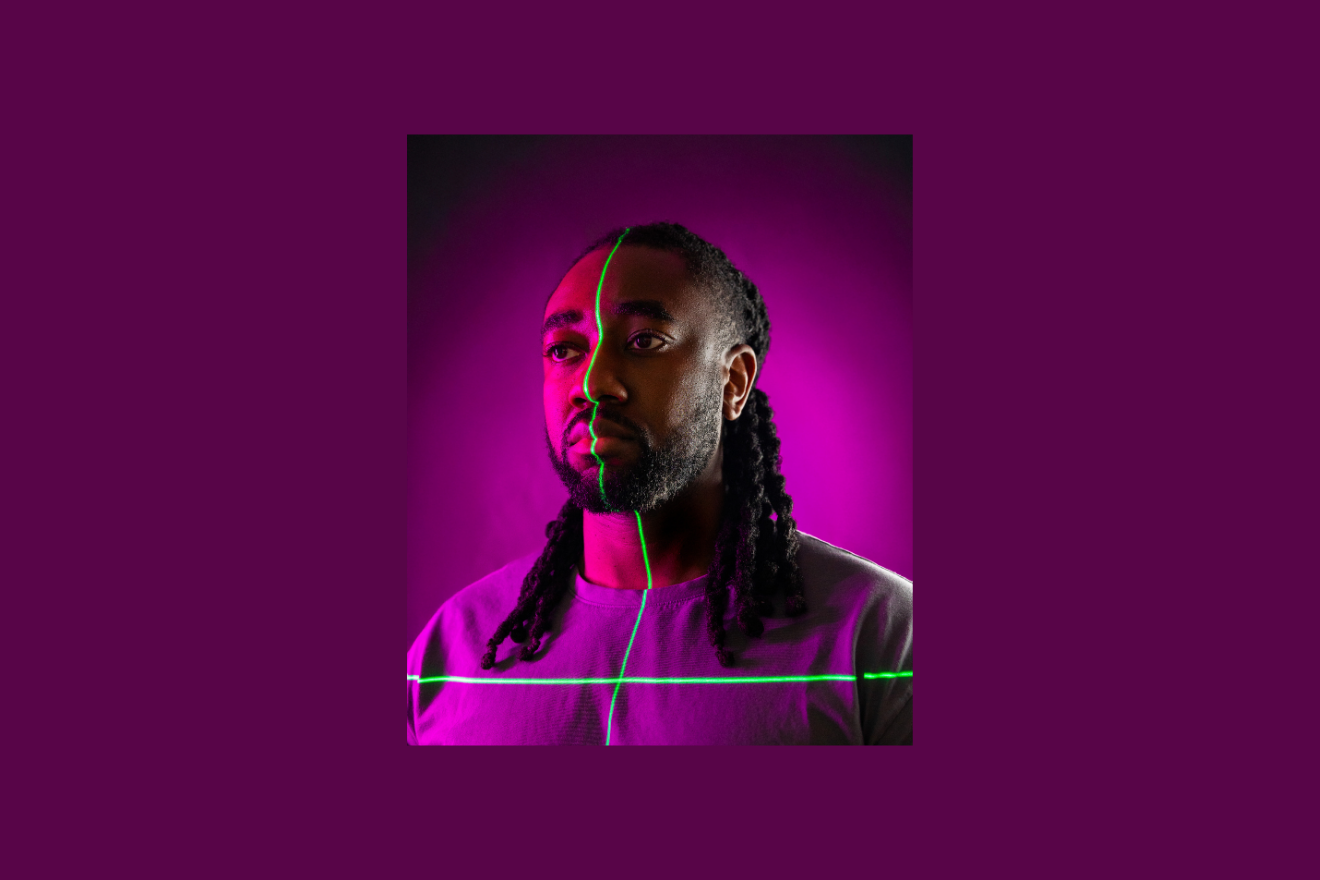
Lighting With Laser Portrait
Modern photography lighting combines traditional flash methods with innovative effects. Laser lighting in photography has become a popular way to add dramatic visual interest to your images. Understanding these techniques helps you create memorable portraits.
Understanding Basic Portrait Lighting
One light setup forms the foundation of good portrait work. A single light source placed at 45 degrees creates dimension and depth. This simple approach teaches you how shadows shape faces. Move your light closer for soft effects or farther for harder shadows.
Creative portrait lighting goes beyond standard setups. Add colored gels to transform mood instantly. Blue tones create cool, mysterious feelings. Warm oranges and reds add energy and passion. Mix colors for unique combinations that match your vision.
Working with Laser Effects
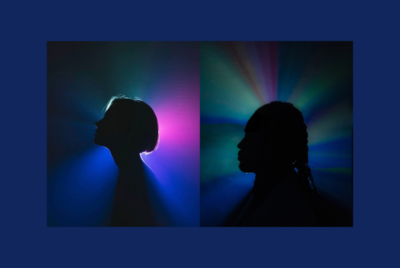
Studio laser photography adds striking visual elements to portraits. Laser beams create sharp lines of colored light through your frame. Position lasers behind your subject for rim lighting effects. Angle them across the frame for geometric patterns.
Laser portrait techniques require careful planning. Use continuous laser pointers or specialized photography lasers. Green and red lasers show up best on camera. Purple and blue create subtle accent lines. Combine multiple laser colors for complex designs.
Light effects in portraits become dramatic when mixing traditional and laser lighting. Set your main flash first, then add laser accents. Long exposures capture laser trails while flash freezes your subject. This combination produces professional looking results.
Advanced Flash Techniques
Multi mode flash fires multiple times during one exposure. This creates stroboscopic effects showing movement. Set your flash to fire three to ten times per second. Subjects moving during exposure appear in multiple positions.
Visual effects photography combines several lighting methods. Use multi mode flash with colored gels for dance photos. Add laser lines to freeze frame action shots. Experiment with different shutter speeds to control motion blur.
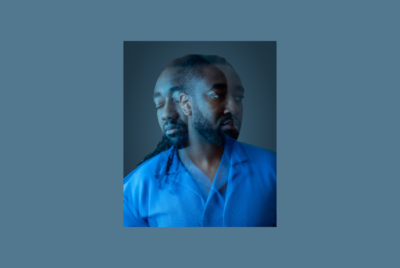
Multi mode flash works great for creative portraits. Have your subject move their head slightly during exposure. The multiple flash bursts capture each position. This technique adds energy and motion to static portraits.
Practical Tips
Start simple with one light setup before adding complexity. Master basic positioning and power settings. Add modifiers like softboxes or umbrellas to control light quality. Practice until your single light results look professional.
Build your skills gradually. Add a second light for fill or background illumination. Try colored gels on one or both lights. Introduce laser effects once you feel comfortable with flash basics. Each new element expands your creative options.
Safety matters when working with lasers and flash. Never point lasers at eyes directly. Use lower power lasers designed for photography. Keep flash power appropriate for your distance. Test all settings before your subject arrives.
FAQs
What is the 3 lighting rule?
The 3 lighting rule uses three lights for portraits. A key light provides main illumination, a fill light softens shadows, and a rim light separates the subject from background.
What is the rule of 3 in portrait?
Place your subject one third from the frame edge rather than center. This creates more balanced, interesting compositions that naturally draw viewer attention.
What kind of lighting is best for portrait pictures?
Soft, diffused lighting works best. Position your main light at 45 degrees and use a softbox or umbrella to soften shadows. Natural window light also creates flattering results.
Will a laser light damage a camera?
Low power photography lasers won’t damage your camera when used properly. Never point high powered lasers directly at your lens. Photography grade lasers are safe for brief exposure.
I like the gear used
[…] Laser lighting portrait techniques add unique visual elements. Combine traditional flash with continuous lights for motion effects. Long exposures with flash freezing capture both movement and sharp details. Multi mode on flash works exceptionally well for dance photography and sports action shots. […]
[…] your solo lighting portrait setup and framing using a stand-in or a chair before you start. These portrait lighting tips will save you hours of […]
[…] Laser lighting portrait techniques add unique visual elements. Combine traditional flash with continuous lights for motion effects. Long exposures with flash freezing capture both movement and sharp details. Multi mode on flash works exceptionally well for dance photography and sports action shots. […]
[…] Laser portrait techniques add creative visual elements to moody setups. Thin laser beams slice through darkness with colored light. Red and green lasers create cyberpunk aesthetics. Blue lasers add cool, futuristic tones. Position lasers at angles to create geometric patterns. […]